

Boost Website Traffic: Expert Guide for Marketers
Introduction

In the fast-paced digital landscape, knowing how to drive traffic to your website is crucial for success. Whether you are a digital marketer, a content creator, or a small business owner, understanding the strategies that effectively increase your site's visibility can make all the difference. This guide provides you with actionable insights to boost your website traffic, ensuring that your online presence resonates with your target audience.
One of the most effective ways to drive traffic is by leveraging SEO-optimized content. By creating high-quality, relevant articles that align with search engine algorithms, you can enhance your site's visibility. NeverDrafts, for example, automates this process, helping brands maintain a consistent voice while growing organic traffic. This not only saves time but also ensures that the content is tailored to attract and retain your audience.
Key Strategies to Boost Traffic
It's essential to employ a variety of strategies to maximize your website's reach. Here are some proven methods:
- Search Engine Optimization (SEO): Focus on keyword research to understand what your audience is searching for. This involves using tools like Google Keyword Planner to find high-volume, low-competition keywords.
- Social Media Marketing: Share your content across social media platforms to reach a broader audience. Engaging posts with compelling visuals can drive significant traffic back to your site.
- Email Marketing: Build a subscriber list and send regular newsletters with links to your latest content. This keeps your audience engaged and encourages repeat visits.
"Content is king, but engagement is queen, and the lady rules the house." - Mari Smith
Comparing Traffic-Driving Techniques
| Technique | Cost-Effectiveness | Time Investment |
|---|---|---|
| SEO | High | Medium |
| Social Media Marketing | Medium | Low |
| Email Marketing | Low | High |
Employing these strategies can significantly impact your website's traffic. By understanding the nuances of each method, you can tailor your approach to suit your specific goals and resources. Remember, the key to success lies in consistency and adaptability. As the digital world evolves, so should your strategies. With the right approach, you'll not only see increased traffic but also enhanced engagement and conversions.
What You'll Need

To effectively drive traffic to your website, you'll need a combination of tools and strategies that align with your business goals. Here's a breakdown of essential components:
First, a robust content management system (CMS) is crucial. Platforms like WordPress enable you to easily publish and manage content. They offer plugins for SEO optimization, which is vital for increasing visibility on search engines. Ensure your CMS supports customization and scalability to grow with your business needs.
Next, consider leveraging analytic tools such as Google Analytics. These tools provide insights into your website's performance, helping you understand visitor behavior and traffic sources. With this data, you can tailor your strategies to improve engagement and conversion rates.
Key Tools and Platforms
| Tool/Platform | Purpose | Benefit |
|---|---|---|
| WordPress | Content Management | Easy content publishing |
| Google Analytics | Performance Tracking | Insightful traffic analysis |
| SEMrush | Keyword Research | Enhanced SEO strategies |
In addition to these tools, you'll need a solid social media strategy. Platforms like Facebook, Instagram, and LinkedIn can significantly boost your reach. Craft engaging content tailored to each platform's audience. Consistent posting and interaction with followers can lead to increased traffic and brand loyalty.
Email marketing remains a powerful tool. Building a subscriber list allows you to share valuable content directly with your audience. Use personalized emails to nurture relationships and drive repeat visits to your website.
Lastly, collaboration tools like Trello or Asana are invaluable for managing your content calendar and team workflows. They help ensure that your content strategy is executed smoothly and deadlines are met.
By combining these tools and strategies, you can effectively drive traffic to your website, ensuring sustainable growth and enhanced online presence.
Step 1: Identify Target Keywords

Implementation Details
Identifying target keywords is the foundation of driving traffic to your website. This process begins with understanding your audience's needs and how they search for information. Start by brainstorming a list of potential keywords relevant to your niche. Use tools like Google's Keyword Planner or Ahrefs to assess the search volume and competitiveness of these terms. This will help you pinpoint which keywords are worth targeting.
Next, categorize your keywords into primary and secondary groups. Primary keywords are your main focus, typically broader terms with higher search volumes. Secondary keywords support the primary ones, often being more specific and less competitive. This hierarchy will enable you to create a structured content plan.
Finally, don't underestimate the power of long-tail keywords. Although they have lower search volumes, they often lead to higher conversion rates because they are more specific to user intent. By integrating these keywords naturally into your content, you can attract a more targeted audience.
Pro Tips
To refine your keyword strategy, consider these expert tips:
- Analyze Competitors: Study the keywords your competitors are ranking for. Tools like SEMrush can provide insights into their strategies.
- Focus on User Intent: Align your keywords with what your audience is looking for. Understanding whether they seek information, a product, or a service can significantly influence your keyword choices.
- Update Regularly: Keyword trends change, so revisit your list periodically. Use analytics to track which keywords are driving traffic and adjust your strategy accordingly.
By following these steps and implementing these tips, you'll be well on your way to effectively identifying the right keywords that can boost your website traffic. This is a crucial step in ensuring your content resonates with the right audience and enhances your online visibility.
Step 2: Optimize Meta Descriptions
Implementation Details
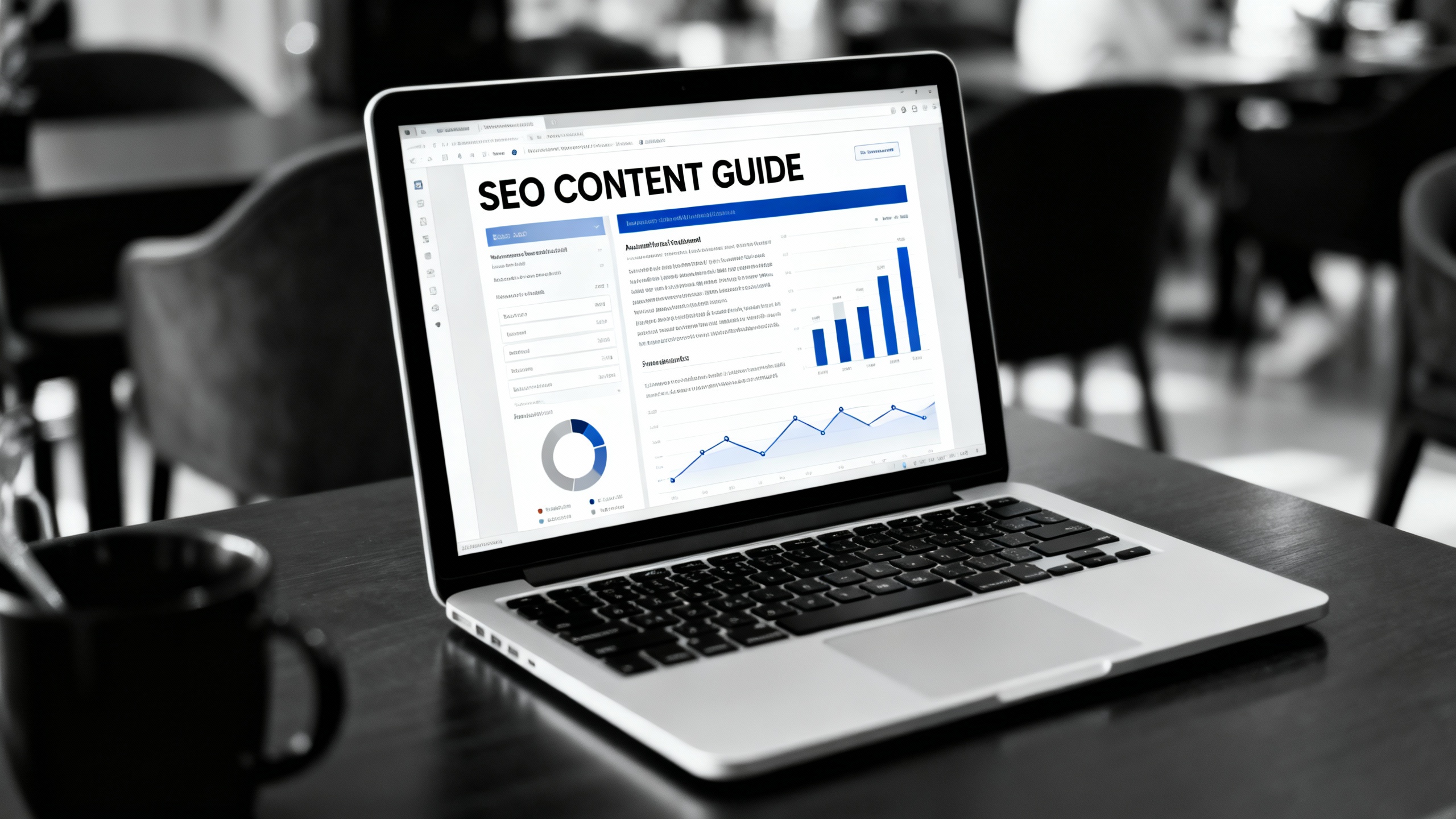
Optimizing meta descriptions is a crucial step in enhancing your website's visibility. Meta descriptions are brief summaries that appear under your page title in search results. They should be compelling and include primary keywords to attract clicks. Here’s how to craft effective meta descriptions:
- Keep it Concise: Aim for 150-160 characters to ensure your description is not truncated in search results.
- Incorporate Keywords: Use your primary keyword naturally, but avoid keyword stuffing. It should read smoothly and appeal to human readers.
- Include a Call to Action: Encourage users to click with phrases like "Learn more," "Discover now," or "Find out how."
- Reflect Page Content: Ensure your meta description accurately summarizes the page content to maintain consistency and avoid bounce rates.
By focusing on these elements, you can create meta descriptions that not only improve your search engine rankings but also increase click-through rates.
Pro Tips
To further enhance your meta descriptions, consider these expert suggestions:
- Test Variations: Experiment with different wording and calls to action to see which versions yield better results.
- Use Emotional Triggers: Words that evoke curiosity or urgency, such as "exclusive," "limited," or "new," can significantly boost engagement.
- Analyze Competitor Descriptions: Observe how competitors like https://outrank.so and https://rebelgrowth.com craft their meta descriptions. Identify what works and adapt strategies to fit your brand's voice.
These tips will help you refine your meta descriptions, making them more effective in attracting visitors to your site. Remember, a well-crafted meta description is key to standing out in crowded search results and driving more traffic.
Step 3: Create Engaging Headlines

Creating engaging headlines is a critical step for driving traffic to your website. A well-crafted headline not only grabs attention but also entices readers to click and explore your content further. Let's delve into how you can create headlines that captivate your audience and boost your website's visibility.
Implementation Details
To create compelling headlines, focus on clarity, relevance, and intrigue. Start by identifying the main keyword or phrase that encapsulates your content's essence. This keyword should be naturally integrated into your headline to enhance SEO effectiveness. Here are some actionable steps to get started:
- Be Specific: Use numbers or specific details to set clear expectations. For example, "5 Proven Ways to Boost Your Website Traffic" is more engaging than a vague title.
- Convey Value: Highlight the benefit or solution your content provides. A headline like "Transform Your Website with These Traffic-Boosting Tips" promises value to the reader.
- Invoke Curiosity: Use questions or intriguing statements to pique interest. For instance, "Are You Missing Out on These Traffic Secrets?"
Remember, the goal is to create a headline that resonates with your target audience while being optimized for search engines. Consistently testing different headline variations can help you understand what works best for your audience.
Pro Tips
Enhancing your headlines can be achieved by following these expert recommendations:
- Analyze Competitors: Review how competitors like https://outrank.so and https://rebelgrowth.com craft their headlines. Identify successful strategies and adapt them to your brand's style.
- Incorporate Power Words: Words like "ultimate," "essential," and "unbelievable" can add impact and drive clicks.
- A/B Testing: Conduct A/B tests to determine which headlines resonate more with your audience. This can provide insights into your readers' preferences and improve future headline creation.
By focusing on these strategies, you can craft headlines that not only capture attention but also enhance your website's traffic potential.
Step 4: Publish SEO-Driven Content

Publishing SEO-driven content is a pivotal step in driving traffic to your website. This process involves crafting content that not only appeals to your audience but also aligns with search engine algorithms. By focusing on specific elements, you can ensure that your content ranks higher and attracts more visitors.
Implementation Details
To effectively publish SEO-driven content, begin by conducting thorough keyword research. Utilize tools like Google's Keyword Planner to identify terms your audience is searching for. Incorporate these keywords naturally within your content to avoid keyword stuffing, which could negatively impact your site's ranking.
Next, focus on crafting high-quality content that provides value. This means offering insights, solutions, and information that genuinely help your readers. Engaging content keeps visitors on your page longer, signaling to search engines that your site is valuable. Additionally, structure your content with clear headers and bullet points to enhance readability and scannability.
Finally, consider leveraging platforms like https://www.neverdrafts.com, which automate the creation and publishing of SEO content. This service can save time and ensure consistency in quality and tone, crucial for maintaining a strong online presence.
Pro Tips
Here are some expert tips to maximize the impact of your SEO content:
- Keep Content Updated: Regularly refresh your content to keep it relevant. Search engines favor websites that provide up-to-date information.
- Optimize Meta Descriptions: Use compelling meta descriptions with keywords to improve click-through rates from search results.
- Engage with Visuals: Incorporate images and videos to break up text and engage readers, enhancing their experience.
By following these strategies, you can create SEO-driven content that not only ranks well but also engages and retains your audience. This approach is key to sustainably increasing your website's traffic.
Step 5: Leverage Social Media Sharing

Social media platforms are powerful tools to drive traffic to your website. By effectively utilizing these platforms, you can expand your reach and engage with a broader audience. Here’s how to make the most of social media sharing.
Implementation Details
To effectively leverage social media, start by identifying the platforms where your target audience is most active. Focus your efforts on these channels to maximize engagement. Craft compelling content tailored to each platform's unique characteristics. For instance, visuals perform well on Instagram, while Twitter favors concise, punchy updates.
Create a content calendar to schedule regular posts, ensuring consistent presence without overwhelming your audience. This calendar should include a mix of promotional, educational, and engaging content to keep your audience interested. Utilize platform-specific features like Instagram Stories or LinkedIn Articles to diversify your content delivery.
Encourage sharing by adding social media buttons to your website content. This makes it easy for visitors to share your articles, increasing their reach. Additionally, engage with your audience by responding to comments and participating in conversations to build a community around your brand.
Pro Tips
Maximize your social media impact with these expert tips:
- Use Hashtags Wisely: Incorporate relevant hashtags to increase the visibility of your posts and reach a broader audience.
- Collaborate with Influencers: Partner with influencers in your niche to tap into their followers and boost your content's reach.
- Analyze Performance: Regularly review your social media analytics to identify which content types and posting times yield the best results.
By following these strategies, you can effectively leverage social media to drive significant traffic to your website. This approach not only enhances visibility but also fosters community engagement, further amplifying your reach.
Step 6: Implement Backlink Strategies

Backlink strategies are a powerful tool for driving traffic to your website by enhancing your domain authority and search engine ranking. Let's dive into how to effectively implement these strategies to maximize your site's visibility and reach.
Implementation Details
To start, focus on quality over quantity when acquiring backlinks. Reach out to authoritative websites in your niche and propose guest posts or collaborations that offer mutual value. Crafting compelling content that naturally includes links to your site can entice other websites to link back to your content.
Next, consider leveraging broken link building. Identify broken links on relevant industry sites and suggest your content as a replacement. This not only helps the site owner but also positions your content as a valuable resource.
In addition, participate in industry-specific forums and discussions. By providing insightful contributions, you can subtly promote your website and attract backlinks from readers who find your input valuable.
A structured approach can be visualized as follows:
| Strategy | Action | Benefit |
|---|---|---|
| Guest Blogging | Write for authoritative sites | Increases exposure and backlinks |
| Broken Link Building | Replace broken links | Provides value, gains backlinks |
| Forum Participation | Engage in discussions | Builds authority, attracts links |
Pro Tips
To refine your backlink strategy, consider these expert tips:
- Use Tools Wisely: Leverage tools like Ahrefs or SEMrush to identify potential backlink opportunities and track your progress.
- Diversify Sources: Aim for a diverse range of backlinks from different domains to boost your site's authority.
- Regular Monitoring: Keep an eye on your backlink profile to ensure links remain relevant and beneficial.
Implementing these strategies can significantly boost your site's traffic by improving its authority and search engine ranking. By focusing on quality and relevance, you can establish a network of backlinks that consistently drives visitors to your website.
Step 7: Analyze Traffic Sources

Understanding how to drive traffic to your website effectively involves analyzing your traffic sources. This crucial step helps you identify which channels are performing well and where improvements are necessary.
Implementation Details
To begin analyzing your traffic sources, utilize tools like Google Analytics. This platform allows you to break down traffic into categories such as organic search, direct visits, referrals, and social media. By examining these categories, you can determine which sources are most effective in driving visitors to your site.
- Organic Search: Evaluate the keywords that bring in the most traffic. This insight helps tailor your SEO strategy to focus on high-performing terms.
- Direct Traffic: Track the number of visitors who type your URL directly. This often indicates brand recognition and loyalty.
- Referral Traffic: Identify which external sites link back to yours. Understanding this can highlight successful partnerships or content collaborations.
- Social Media Channels: Analyze which platforms are generating the most traffic. This information is vital for optimizing your social media marketing efforts.
Creating a traffic source report in Google Analytics can provide a visual representation of these metrics, making it easier to spot trends and areas for improvement.
Pro Tips
For a more in-depth analysis, consider these expert tips:
- Segment Your Audience: Use segmentation to understand different user behaviors. This can reveal which demographics are most engaged with your content.
- Set Up Goals: Define and track specific goals within Google Analytics, such as form submissions or product purchases. This helps measure the effectiveness of each traffic source in achieving business objectives.
- Regularly Review Data: Schedule routine checks of your analytics data to stay updated on changes in traffic patterns.
By implementing these strategies, you can gain a clearer picture of your website's performance. Understanding the nuances of your traffic sources allows you to make informed decisions and optimize your marketing strategies, ultimately leading to increased website traffic.
Step 8: Refine Content Strategy

Implementation Details
Refining your content strategy is crucial for driving sustained traffic to your website. Start by conducting a content audit to assess the performance of existing materials. Identify which pieces are performing well and which need improvement. Look for patterns in successful content, such as topic, format, and length, and use these insights to guide future creation.
Next, update outdated content to ensure relevance and accuracy. This not only improves user experience but can also enhance SEO rankings. Consider repurposing high-performing content into different formats, like turning a popular blog post into a video or infographic. This expands your reach and engages diverse audience preferences.
Incorporate a content calendar to organize your publishing schedule. This tool helps in maintaining consistency, which is key to keeping your audience engaged. It also allows you to plan content around important industry events or trends, positioning your brand as a thought leader.
Pro Tips
Here are some pro tips to elevate your content strategy:
- Leverage AI Tools: Use AI-powered platforms like NeverDrafts to automate content creation, ensuring efficiency and consistency in your output.
- Focus on Quality: Prioritize creating in-depth, valuable content over sheer volume. This builds authority and trust with your audience.
- Engage with Feedback: Regularly solicit and analyze audience feedback to fine-tune your content approach. This can uncover new topic ideas and improve engagement.
By refining your content strategy, you align your efforts with audience expectations and search engine requirements. This step is vital for maximizing the impact of your content, ultimately leading to increased website traffic and sustained growth.
Common Mistakes to Avoid

Navigating the digital landscape requires marketers to be vigilant about potential pitfalls. Understanding common mistakes can save time and resources while enhancing your strategy. One of the most frequent errors is neglecting mobile optimization. With the majority of users accessing websites via smartphones, ensuring a seamless mobile experience is crucial. Failing to do so can result in high bounce rates and lost traffic.
Another critical mistake is overloading content with keywords. While keywords are essential for SEO, stuffing them unnaturally into your content can lead to penalties from search engines. Instead, focus on integrating keywords organically within high-quality, informative content.
Avoiding the use of analytics tools is another misstep. Without data-driven insights, it's challenging to understand what is working and what isn't. Regularly monitoring your website's performance using tools like Google Analytics can provide valuable insights into user behavior and areas for improvement.
Here's a quick recap of what to avoid:
- Ignoring mobile optimization
- Keyword stuffing
- Neglecting analytics tools
"The key to effective digital marketing is to learn from mistakes and continuously adapt," says a seasoned expert.
By steering clear of these common errors, you can create a more robust strategy that effectively drives traffic to your website, ultimately enhancing your brand's online presence.
Conclusion

In today's fast-paced digital landscape, understanding how to drive traffic to your website is crucial for success. By employing strategic marketing techniques, you can significantly boost your site's visibility and engagement. Remember, the journey doesn't end with implementing these strategies; it's about continuous improvement and adaptation.
Start by focusing on creating high-quality content that resonates with your audience. This not only attracts visitors but also encourages them to return. Leverage social media platforms and email marketing to extend your reach and engage with potential customers. Additionally, consider collaborating with influencers who align with your brand to tap into new audiences.
Here's a quick checklist to ensure you're on the right path:
- Create engaging content that adds value to your readers
- Utilize social media to promote your articles
- Engage in email marketing to maintain customer relationships
- Partner with influencers for broader outreach
Moreover, always keep an eye on your performance metrics using analytics tools. This will help you identify what's working and where there's room for improvement. By continuously refining your strategies, you can stay ahead of the competition and maintain a strong online presence.
Ultimately, the key to driving traffic is a combination of creativity, strategy, and persistent effort. Stay informed, be adaptable, and your website will thrive in the ever-evolving digital world.
Ready to Take Action?
If you found this guide helpful and want to explore more, check out our platform for additional resources and tools.